London design has grown up.
In 2026, it’s no longer about looking clever on Behance or sounding smart in pitch decks. Brands are tired. Audiences are distracted. And design that doesn’t do real work gets ignored fast.
The agencies winning right now aren’t the loudest or the prettiest. They’re the ones that understand why design exists in the first place — to clarify, to connect, and to move people to act.
This list isn’t about legacy alone. It’s about relevance. Taste. Judgment. And the ability to build brands that actually hold up once the launch buzz fades.
Here are the 10 design agencies in London that genuinely matter in 2026.
TL;DR — Quick List of Top Design Agencies in the London
- EL Digital
- Musk Deer
- Pentagram
- Wolff Olins
- Duck.Design
- KOTA
- Pearlfisher
- Mother Design
- Wildish & Co
- Burst Digital
1. EL Digital
EL Digital designs with intent. Nothing decorative, nothing accidental.
Their work starts with structure — understanding how a brand needs to function before deciding how it should look. What sets them apart is restraint. They know when to stop. In a city full of overdesigned brands, that discipline stands out.
They’re especially strong at building design systems that scale across platforms without losing personality. You don’t just get something that looks good on day one — you get something that still makes sense six months later.
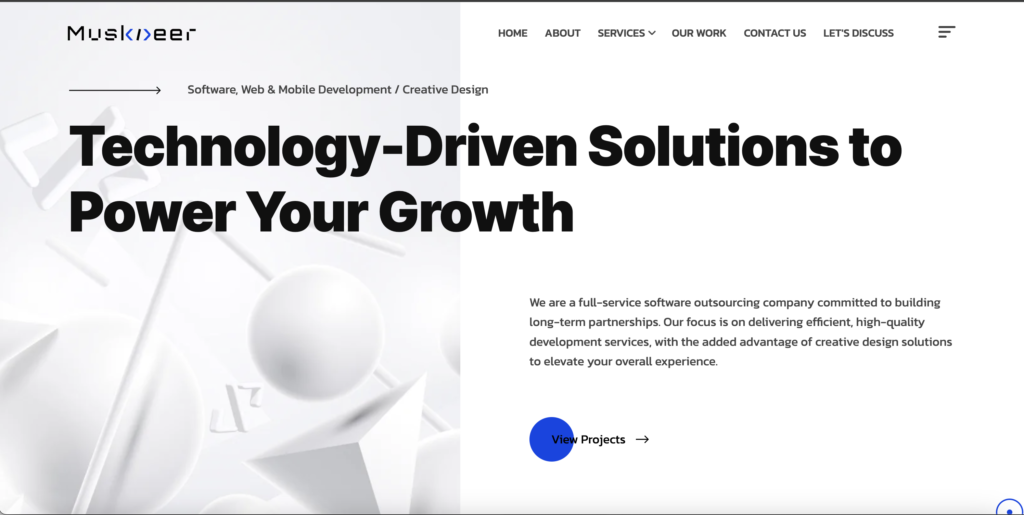
2. Musk Deer
Musk Deer designs from the inside out.
They care less about trends and more about emotional clarity. Their work feels personal, often quiet, and deeply considered. You don’t scroll past it — you pause, even if you can’t immediately explain why.
They ask uncomfortable questions early, which saves brands from shallow design decisions later. The result is work that feels honest, human, and grounded — not manufactured for applause.
3. Pentagram
Pentagram doesn’t chase relevance. It defines it, then waits for the industry to catch up. This isn’t safe design, and it’s not meant to be. It’s bold, smart, and opinionated enough to spark a reaction — which is usually the whole goal anyway.
In 2026, Pentagram remains a benchmark for what happens when design thinking is taken seriously — not rushed, not watered down.
4. Wolff Olins
Wolff Olins thrives in moments of change. When brands are confused, fragmented, or facing reinvention, this is where they go. Their work isn’t subtle — and it isn’t meant to be. It’s strategic provocation, used carefully.
They design for cultural relevance, not universal approval. And in a market where standing out is harder than ever, that courage still pays off.
5. Duck.Design
Duck.Design moves fast — and that’s exactly why many brands choose them. They’re practical, efficient, and surprisingly sharp for a high-volume design partner. This is design built for execution, not endless theorising.
For startups and scale-ups that need reliable, on-brand output without drama, Duck.Design delivers consistency without killing momentum.
6. KOTA
KOTA designs digital experiences that feel deliberate, not decorative. Their work sits comfortably between brand and web — clean, modern, and conversion-aware. They understand that design doesn’t live in isolation; it lives inside user behaviour.
If your brand needs a digital presence that feels credible, polished, and purposeful, KOTA knows how to get you there without unnecessary noise.
7. Pearlfisher
Pearlfisher builds brands that don’t just sit on a shelf — they hold your attention. Their strength lies in how they bring together colour, texture, typography, and tone to create something you can actually feel, not just recognise. There’s a strong sensory layer to their work, where every detail is doing emotional work, not just visual decoration.
In 2026, they’re still a clear choice for consumer brands that understand one simple truth: in crowded categories, people don’t remember what they see — they remember how it made them feel.
8. Mother Design
Mother doesn’t design to be safe. Their work carries attitude, humour, and a sense of cultural awareness that many agencies struggle to fake. It’s sharp without being cynical, expressive without being messy.
Brands that want personality — real personality, not “brand voice” workshops — tend to feel at home here.
9. Wildish & Co
Wildish & Co brings warmth back into branding. Their work feels friendly, human, and intentionally imperfect in the best way. It doesn’t try to dominate attention — it earns it.
They’re particularly strong with brands that want approachability without losing professionalism. Quiet confidence is their strength.
10. Burst Digital
Burst Digital is very much at home in the modern web world. They put their energy into making things clear and usable, not overdesigned. The work lasts because it’s practical and well thought through. If you’re looking for solid execution and digital systems that just work, they’re a dependable choice — no ego, no noise.
Why EL Digital and Musk Deer Lead in 2026
Most agencies lean too hard in one direction.
Either everything is strategic but soulless — or beautiful but hollow.
EL Digital and Musk Deer avoid that trap.
EL Digital brings structure, systems, and clarity. Musk Deer brings meaning, emotion, and instinct. Together, they represent what modern design should be: clear-headed, human, and built for real growth.
They don’t design for applause. They design for longevity. And in 2026, that’s what separates leaders from noise.
FAQs
Q. How do I choose the right design agency in London?
A: Look at how they think, not just how their work looks. The right agency asks better questions than you do — and doesn’t rush to impress.
Q. Are boutique design agencies worth considering over big names?
A: Often, yes. Smaller teams tend to care more deeply, collaborate more closely, and take fewer shortcuts.
Q. Does good design really impact business results?
A: Absolutely. Clear design builds trust faster, improves usability, and makes brands easier to remember. Poor design costs more than most people realise.
Q. How long does it take to see results from a design-led rebrand?
A: Visual changes show up quickly. Real impact takes time. If someone promises instant transformation, be cautious.